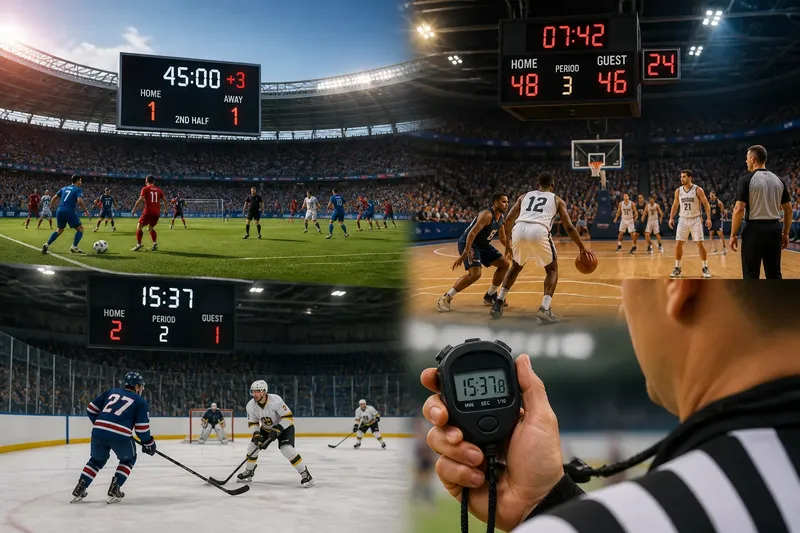
The Equipment Myth: More Specialised Does Not Always Mean More Useful
Sporting equipment should match the rules, format and setting you play in. Learn how to check whether a specialist feature fits your actual activity.
Sporting equipment can change what is allowed in a competition, not just how an activity feels. Before choosing a specialist item, check the sport’s format, the event rules and the conditions in which you will use it; those details show whether its defining feature serves a real purpose.
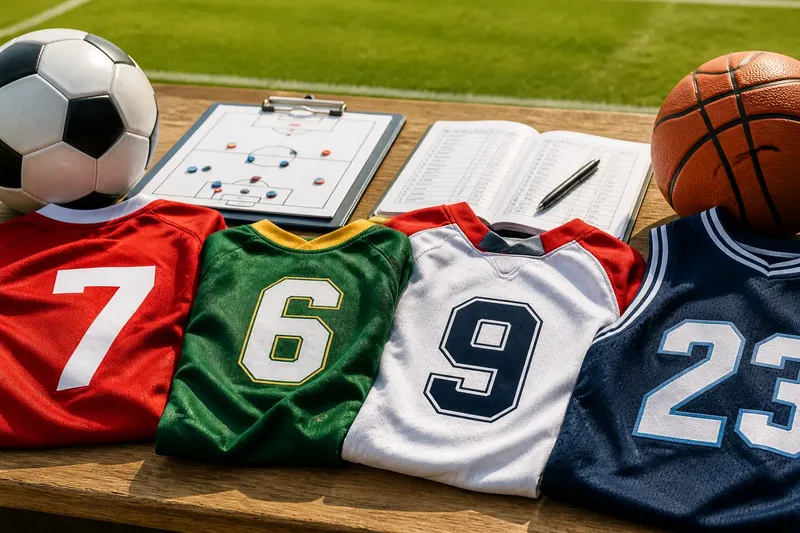
A ball suited to one version of a game may be wrong for another, while protective equipment may be compulsory in one setting and optional in another. Start with the activity as it is organised, rather than assuming that a label such as “competition” or “advanced” settles the choice.
Sporting equipment makes sense in its competitive format
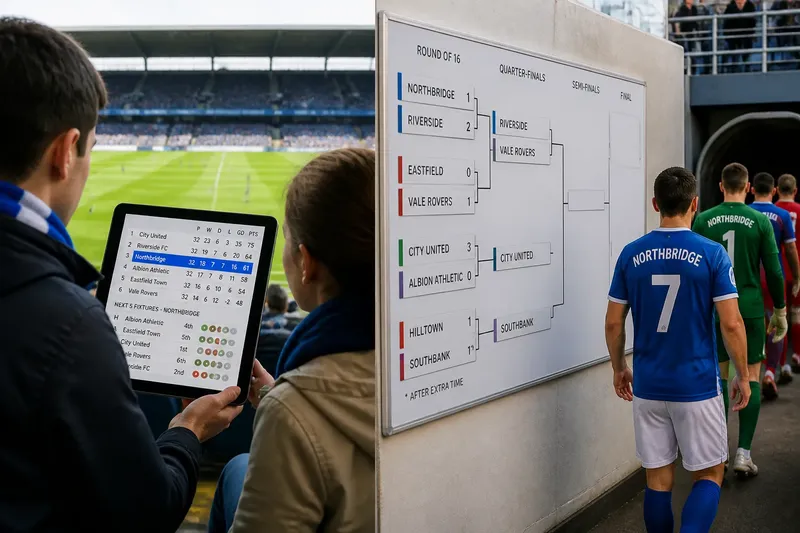
The same sport can be played under different rules, on different surfaces or with different equipment specifications. In tennis, for example, court surface affects how the game unfolds, but a racket’s label alone does not tell you whether it suits your play. In cricket, the format and local playing conditions can affect what equipment is expected, while the laws and competition regulations set the boundaries.
Before comparing products, identify the setting: the sport, format, surface, level of organisation and whether the item is for training or competition. Then find the current rules or organiser guidance. Governing bodies and event organisers may set requirements for balls, protective gear, clothing or other equipment, and those requirements can vary.
Say you are joining a local indoor volleyball league and already own a ball for outdoor play. Check the league’s rules and ask the organiser which ball is used for matches. If the outdoor ball does not meet the stated requirements, keep it for informal sessions and choose an allowed match ball; if it does, there is no format-based reason to replace it.
Check rules before judging specialist features
Some equipment is specialised because the sport demands it; some is designed for a particular surface or competition format. Others carry features that matter only under specific conditions. Separate requirements from preferences so that a compelling product description does not obscure what the game actually calls for.
- Ball or implement: Observe whether the event specifies a type or approval. If it does, compare only compliant options; if it does not, choose for the setting and intended use.
- Protective gear: Check the rulebook or organiser’s instructions for required coverage. If a particular item is mandatory, confirm the candidate meets that requirement; if no model is prescribed, assess appropriate fit and intended protection.
- Surface-specific design: Note whether sessions take place on one surface or several. If use is consistent, a surface-specific design may fit; if settings vary, consider an option suitable for each or keep separate equipment.
- Competition approval: Look for current approval or certification requirements where the sport uses them. If the event names an approved standard, verify the item against it; if the guidance is unclear, ask the organiser before buying.
- Format-specific features: Observe whether the item is intended for the version of the sport you play. If the format matches, assess its fit and function; if it does not, choose equipment intended for your format.
- Fit during play: Check whether the item stays in place and allows the movements required. If it slips, pinches or restricts movement, try another size or model; if the problem persists, seek appropriate professional advice.
- Care requirements: Read the care instructions and compare them with your storage and cleaning routine. If you can follow them, the item remains a practical option; if not, choose one with care needs you can meet without compromising its function.
Keep a note of the rule or organiser instruction that affected your decision. That makes it easier to distinguish a genuine participation requirement from a feature that is merely advertised as specialised.
Compare equipment by its role in the game
For each specialist feature, name the game situation it is meant to address. A fencing mask, for instance, serves a specific protective role; a lens tint in swimming goggles relates to the light in which they are used. The feature is relevant when the activity and setting call for that function, not simply because it appears on a product label.
Consider the trade-offs alongside the purpose. A design suited to one discipline may be less comfortable or useful in another, and a feature can add care requirements or limit shared use. Those compromises are part of how equipment fits into a competition or training routine.
For an item that affects safety or eligibility, do not rely on a general product description. Check the current rules and manufacturer guidance, and ask a qualified professional or event organiser when the requirements or fit are uncertain.
How do rules and format affect equipment choices?
Do competition rules specify every equipment detail?
No. Rules may define certain equipment requirements while leaving other choices to players or organisers. Check the governing body’s current rules and any local competition instructions, since the event may set additional conditions.
Should training equipment match competition equipment?
It depends on the purpose of the session and the rules that apply. If you are practising a specific competition format, using equipment allowed in that format can make the session more relevant; for general practice, suitable alternatives may be acceptable.
How can I tell whether equipment is approved for an event?
Look for the approval or standard named in the current event guidance, then check the item’s documentation or markings. If you cannot confirm a match, ask the organiser before using or buying it.
Can one item work across different sports or formats?
Sometimes, but shared use does not establish that the item is permitted or suitable everywhere. Check the requirements for each activity and consider whether fit and function remain appropriate in every setting.
Make a decision from the actual playing conditions
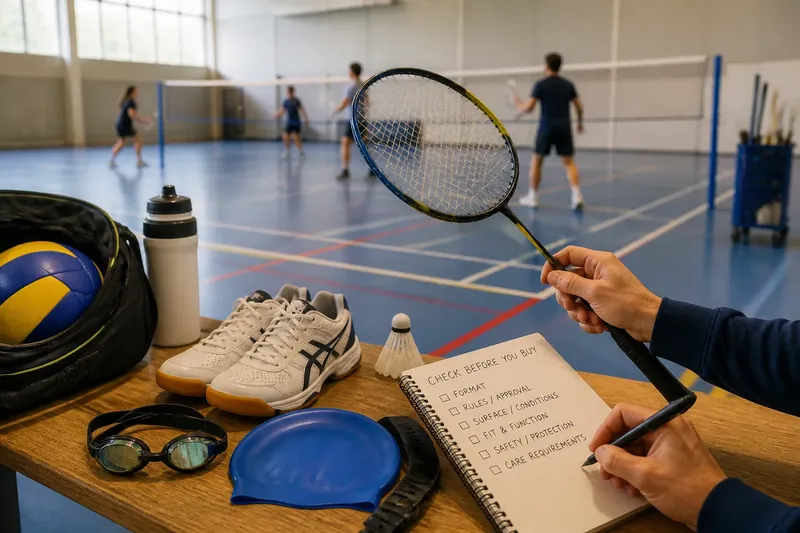
Imagine you play recreational badminton at a community hall and are considering a racket marketed for tournament play. You first check the hall’s rules and find that they do not prescribe a racket model; you then note that your sessions are social doubles and that the candidate feels difficult to manoeuvre during a practice swing. The answer is to set aside the tournament label and compare rackets that feel manageable for your usual play, while keeping the option open if your format or needs change.
That approach works across sports: establish what the rules require, identify the conditions the item is designed for, and decide whether its feature solves a recurring need in your own format. Search for sporting equipment in relation to the game you will actually play, and keep the organiser’s current instructions handy when a choice affects eligibility or safety.